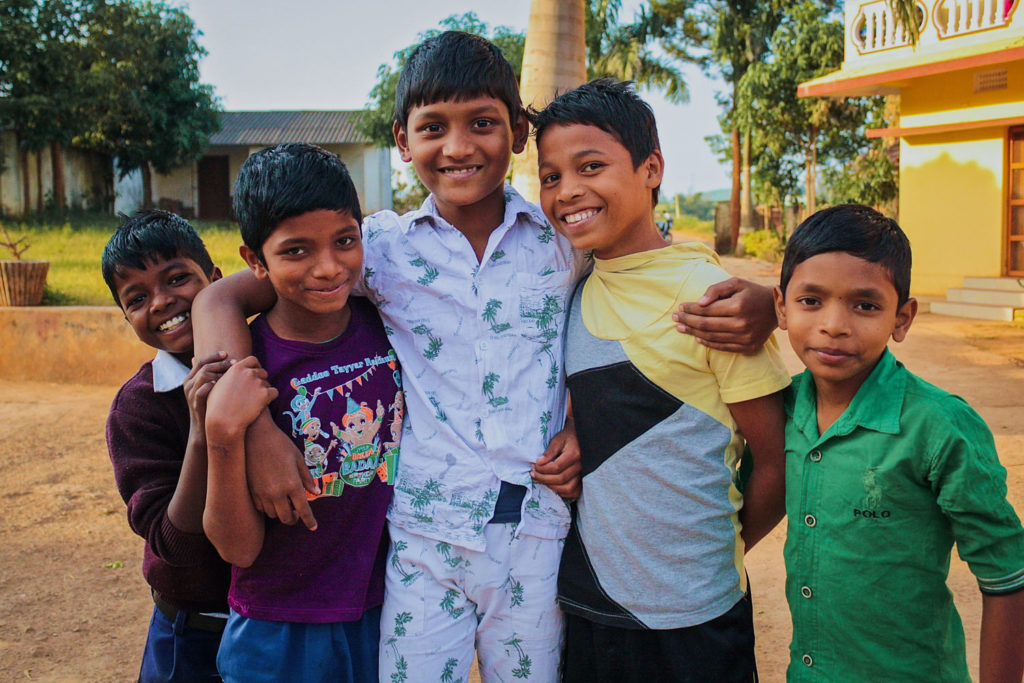
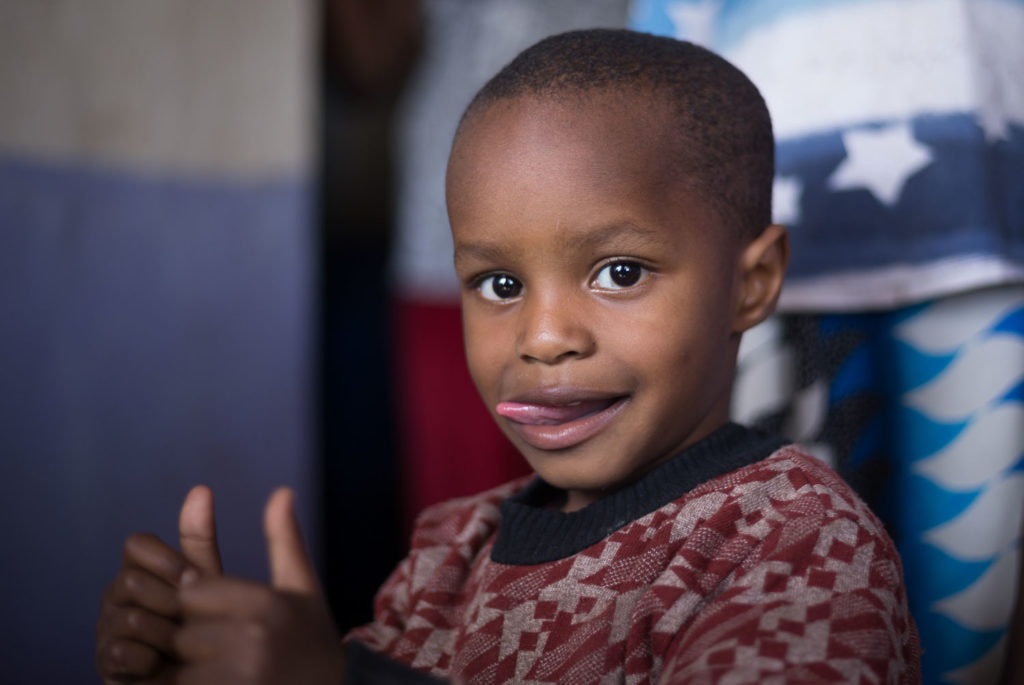
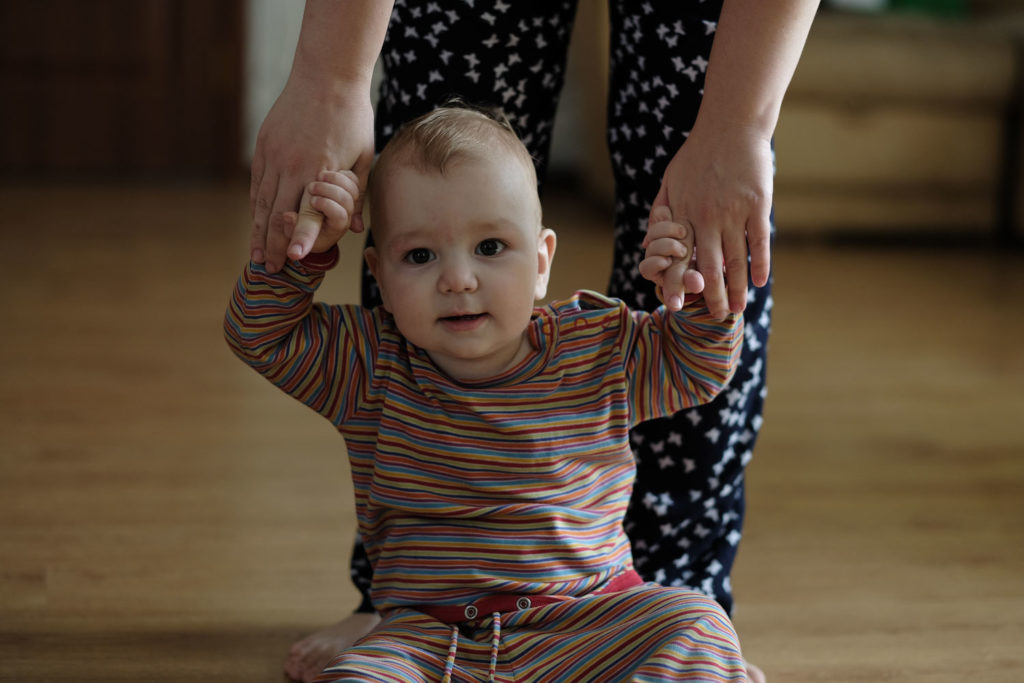
Across the world, 5.4 million children are growing up without the love and security of family.

0 Million

have lost both parents.

8+ million live in orphanages...
That’s more than the population of Washington State

Up to %

of orphans living in institutions worldwide have at least one living parent. The struggle for many children is not that they lack family, but that their families lack support.

Every months

a child under age 3 spends in an institution causes a one-month delay in physical growth and development.

When vulnerable children "age out" of care, the statistics are stark:

%

36% will become homeless

%

27% of young men are incarcerated

%

56% will remain unemployed

In India

Right now there are 50,000 children in orphanages that could be registered for adoption but have no one to advocate for them.

The number of adoptions within the country has declined steadily since 2010.

In Romania

A child spends an average of 7.5 years in an orphanage before connecting with a family.

In Ukraine

2,000 orphans graduate from institutional care each year. 23% become homeless.

In 2004: Nearly 23,000 children adopted into U.S. families
In 2023: Just 1,275 children adopted into U.S. families... a 94% decline

Out of 140 million orphans, only a fraction will every be adopted internationally.

(The U.S. is the highest-ranked country for international adoption)

The global orphan crisis is complex.

We believe the solution is to help connect orphans to families in their home countries.

Economic strain and poverty and violence towards women and children are a big part of the problem.

Other contributing factors:

No Longer an Orphan

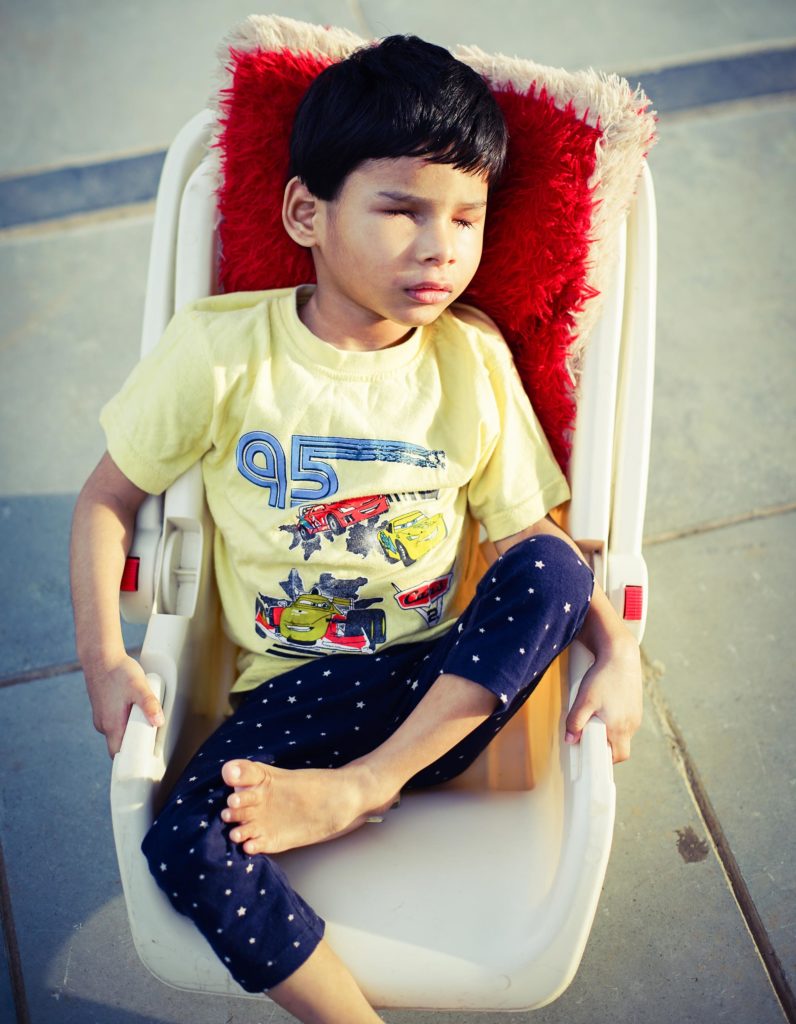
Othniel was given up to an orphanage in India shortly after he was born. He is blind and has a severe case of cerebral palsy, conditions that need special attention that he did not receive at the orphanage.

For two years, Othniel lay alone on his back in a crib, surviving on only bottles of milk. He missed multiple developmental milestones because the orphanage could not provide him the specialized care he needed. At three years old, Othniel could not speak, stand or walk, and eat solid food.

Thankfully, Othniel’s life drastically changed the day a local family adopted him.

Othniel blossomed after leaving the orphanage and receiving care from his new family. While he still had severe intellectual disabilities, he began to speak, calling his father Appa (Dad) and the women of the house DeeDee (sister). He learned to eat solid foods and developed proper sleeping habits.

There is no doubt that Othniel’s best chance of survival is with family, not alone in an orphanage. He will continue to progress developmentally and physically under the individualized attention of a mother and father.

Scroll to Top